


The Chawan: A History of the Japanese Tea Bowl — From Humble Vessel to Spiritual Icon
Prologue: More Than Just a Bowl
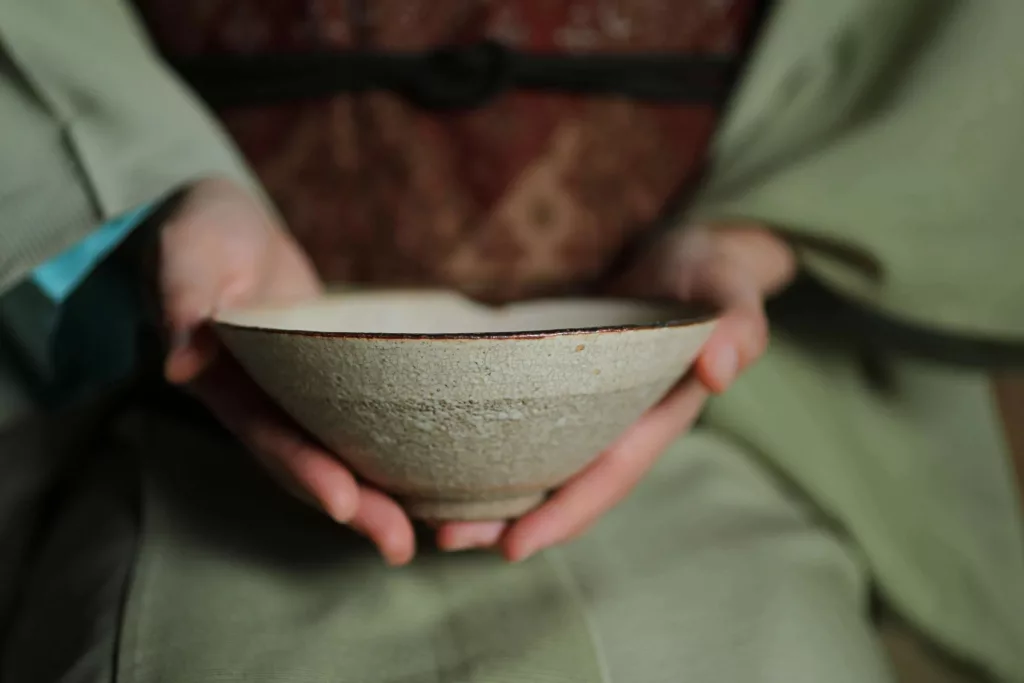
In the quiet, deliberate movements of the Japanese tea ceremony, one object is the undisputed heart of the ritual: the chawan (茶碗). More than mere pottery, it is a canvas for philosophy, a mirror of history, and a cup that holds the very essence of wa-kei-sei-jaku (harmony, respect, purity, and tranquility). Its journey from a functional Chinese import to a revered Japanese cultural icon is a story of aesthetic rebellion, spiritual awakening, and the birth of a unique artistic tradition.
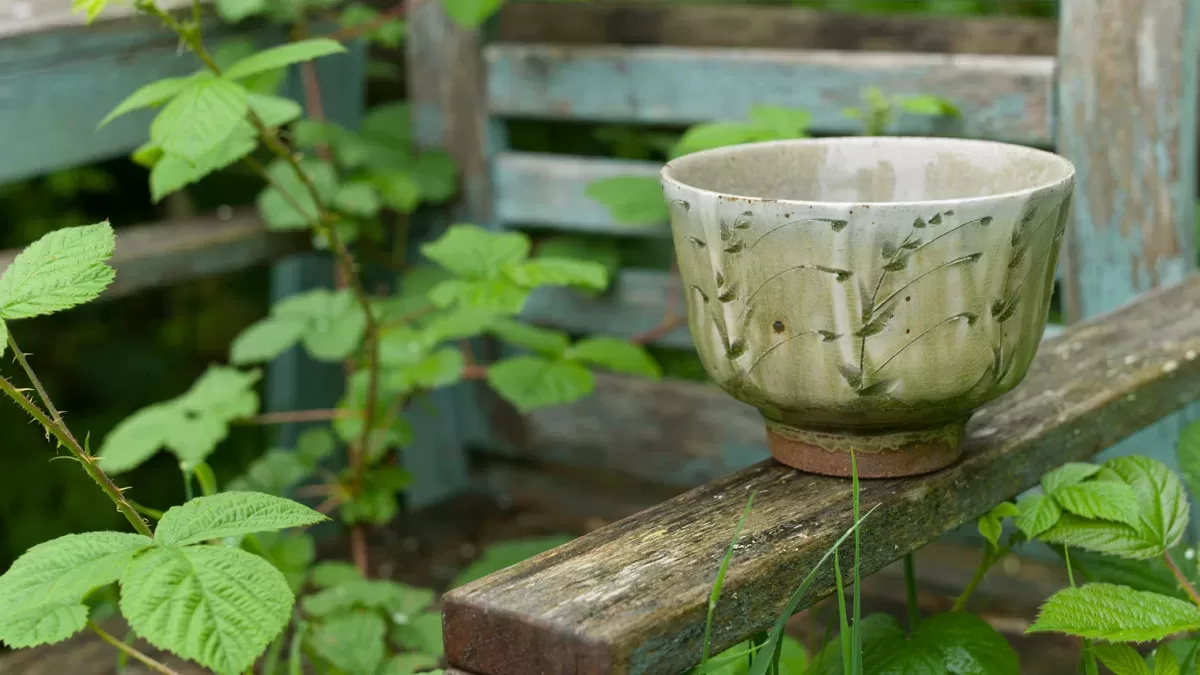
Chapter 1: Chinese Origins — The Tenmoku Roots (12th–13th Centuries)
The story begins not in Japan, but in China during the Song Dynasty (960–1279). Japanese Buddhist monks, particularly those of the Zen sect, traveled to China and returned with more than just scriptures. They brought back Tenmoku bowls (天目茶碗), named after Mount Tianmu (Tenmoku in Japanese), where the monks studied.
- Characteristics: These bowls were steep-sided, conical, and often sat on a small, elegant foot. They were prized for their glazes — deep, lustrous blacks, “hare’s fur” (brown streaks), “oil spot,” and the coveted “yohen” with iridescent spots.
- Function & Status: Used in temple rituals to drink powdered tea (the precursor to matcha), Tenmoku bowls were luxury items, symbols of Chinese cultural supremacy and Zen erudition. They were owned only by the elite — the shogun, the nobility, and major temples.
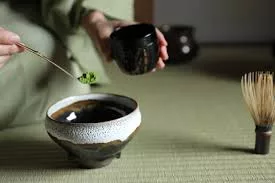
Chapter 2: The Korean Influence & the Birth of Wabi-Sabi (15th–16th Centuries)
As the Japanese passion for tea (chanoyu) grew, so did the desire for domestic production. The turning point came with the aesthetics promoted by Murata Jukō and, later, the great tea master Sen no Rikyū (1522–1591). They sought a tea practice that reflected Japanese sensibilities, moving away from Chinese perfection toward rustic simplicity.
They found their inspiration in Korean rice bowls (mishima nebo ido ware). These bowls, brought to Japan via trade and invasions, were the antithesis of Tenmoku:
- Irregular, asymmetrical shapes, often warped during firing.
- Simple, muted glazes in white, celadon, or earthy tones.
- Robust, unpretentious, and humble in feel.
Rikyū championed these “imperfect” bowls. He saw in their rugged beauty the principle of wabi-sabi — the acceptance of transience and imperfection. Under his guidance, anonymous Korean peasant ware was elevated to the highest status in the tea room. The chawan was no longer a symbol of foreign luxury, but of inner richness and humble spirit.
Chapter 3: The Golden Age of Japanese Pottery (Late 16th–17th Centuries)
Rikyū’s revolution sparked an explosion of indigenous creativity. He collaborated directly with local potters, encouraging them to make purely Japanese chawan. This gave rise to legendary kilns and styles:
- Raku Ware (楽焼): Born from Rikyū’s collaboration with the tile maker Chōjirō. Raku chawan are hand-shaped, not wheel-thrown, low-fired, and glazed in subdued black or red. Each is utterly unique, embodying the Zen ideal of “one time, one meeting” (ichigo ichie).
- Mino Ware (美濃焼): Produced the iconic Shino (thick, white, pitted glaze with bold painted designs) and Oribe (asymmetric shapes with bold green copper glaze and iron-oxide patterns) styles. These were playful, expressive, and distinctly Japanese.
- Hagi, Karatsu, and Seto Ware: Regional kilns flourished, each developing a “local taste” (meibutsu) — Hagi’s “seven changes” glaze, Karatsu’s simple brushwork, Seto’s rich traditions.
The chawan became a personal statement for the tea master and a treasured art object, often given names and passed down through generations.
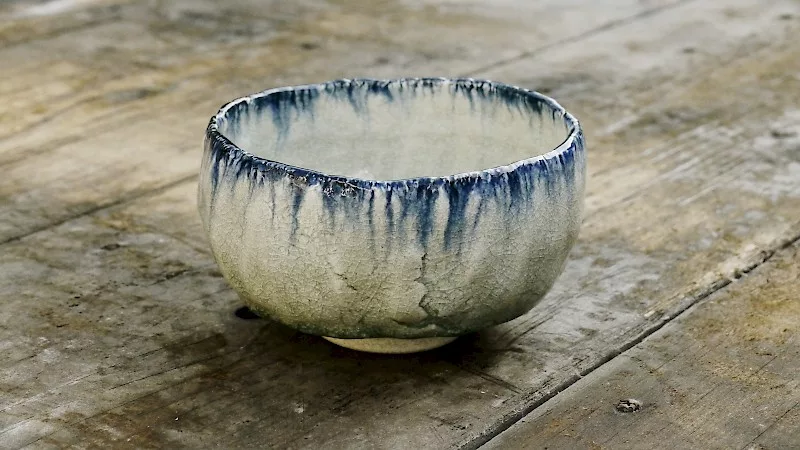
Chapter 4: Standardization, Collecting, and the Meiji Evolution (18th–19th Centuries)
As the Matcha ceremony became formalized, so did chawan styles. Certain shapes became codified:
- Hira-chawan (wide, shallow) for summer.
- Tsutsu-chawan (cylindrical) for winter.
- Warrior Bowls (kensan) with strong, sturdy forms.
The Meiji Restoration (1868) opened Japan to the West. While traditional tea declined temporarily, chawan became export art. Western artists like the Impressionists discovered Japanese aesthetics through such objects. Meanwhile, Japanese potters began to experiment, blending traditional forms with new influences.
Chapter 5: The Modern Chawan — Tradition and the Avant-Garde (20th–21st Centuries)
Today, the chawan exists in a dynamic duality:
- The Living Tradition: Master potters at ancient kilns like Raku, Hagi, and Mino continue to produce chawan using centuries-old techniques, preserving the aesthetic legacy of Rikyū for contemporary tea practitioners.
- The Artistic Statement: Modern ceramic artists like Kawai Kanjirō, Yagi Kazuo, and Shimizu Uichi have pushed the chawan into the realm of sculpture. Their works may deconstruct the form, use shocking colors, or exaggerate textures, but they still demand to be used in the ritual. The dialogue between hand, lip, and mind remains central.
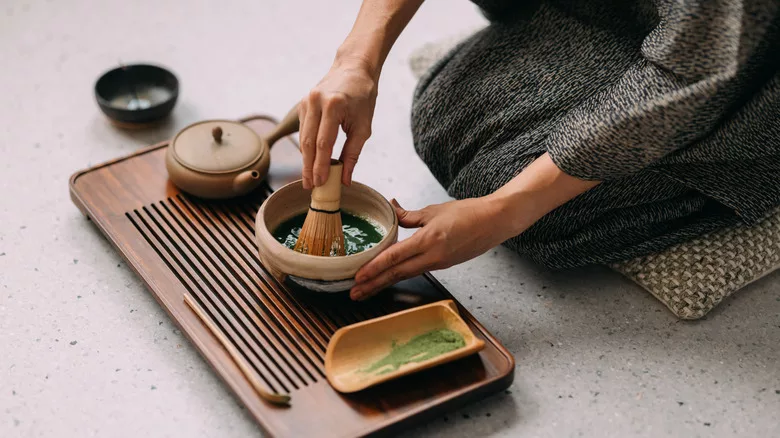
Epilogue: The Bowl That Contains a Universe
The history of the chawan is a microcosm of Japanese cultural history. It tracks the journey from admiring China, to finding a distinct identity in Korean “imperfection,” to forging a profound national aesthetic that values the handmade, the asymmetrical, and the soulful over the perfect and the precious.
To hold a chawan is to hold history. The crackle of its glaze echoes the firing kilns of the 16th century. Its weight in your palms connects you to the hands of the potter and the generations of tea drinkers before you. It is a tool for meditation, a vessel for community, and a humble bowl that reminds us that true beauty—and meaning—is often found not in flawlessness, but in the unique marks of a lived existence.
In the quiet space of the tea room, the chawan whispers the timeless lesson of wabi-sabi: that we are all imperfect, transient, and incomparably beautiful.


 Czech
Czech  English
  German
I love how this traces the chawan’s journey from imported Chinese luxury to the heart of wabi-sabi through that unexpected turn with humble Korean peasant bowls. It’s so fascinating how Sen no Rikyū didn’t just pick a new style—he completely reimagined what a tea bowl could mean, turning imperfection into a spiritual reflection of the tea ceremony’s core values. That shift feels so intentional and meaningful, it’s no wonder it sparked such a rich, unique Japanese ceramic tradition that still evolves today. Can’t wait to read more about the modern evolution!