

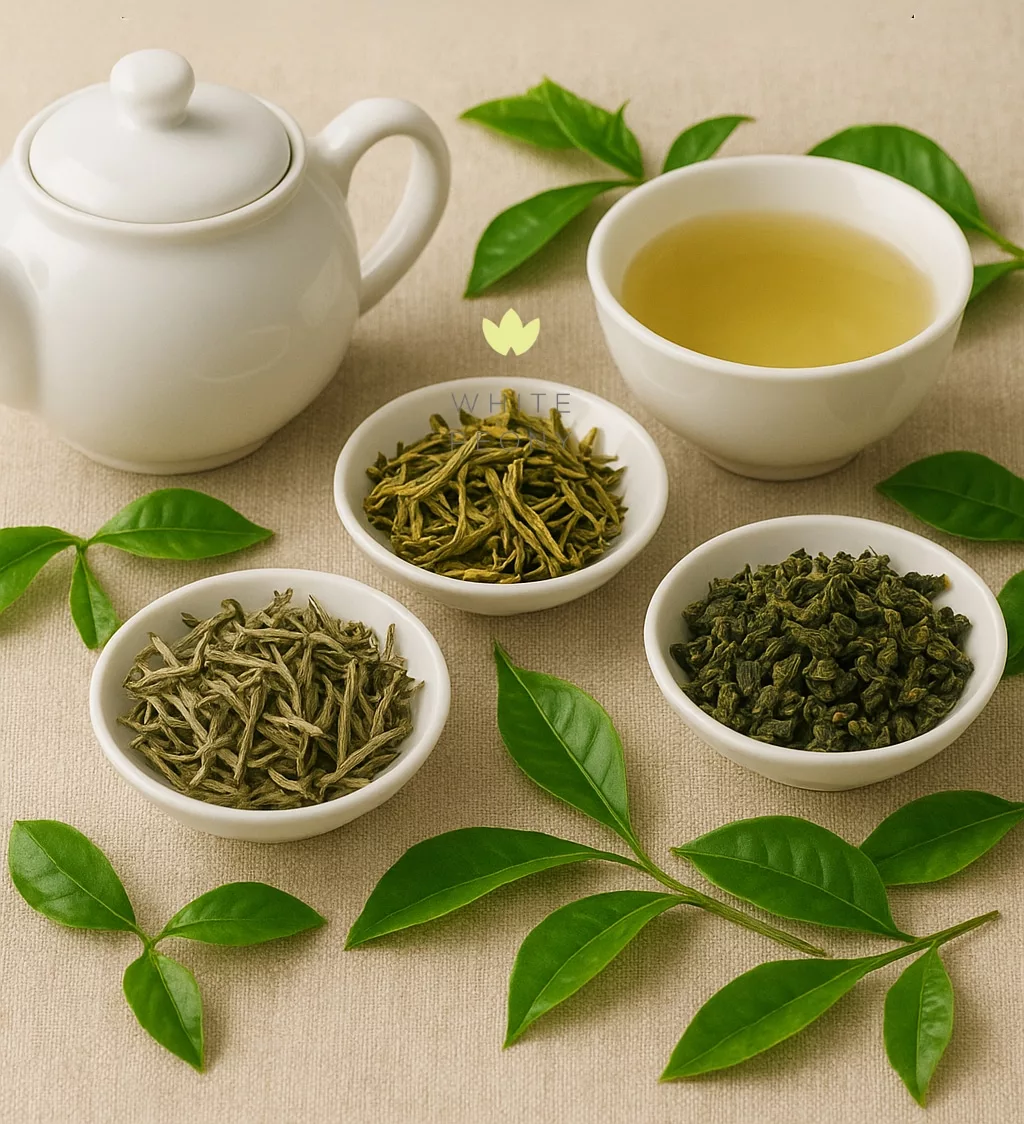
The Making of Tea Series pt.1
Foreword from the Author
Tea begins its journey long before it reaches the cup — in the leaf, in the hands of the picker, and in the quiet transformations guided by air, heat, and time. Among all tea categories, white, yellow, and green teas reveal the purest expression of the plant itself. In this article, I explore how minimal processing shapes their character and why these teas remain the most delicate yet profound in the world.
What Leaves Are Used
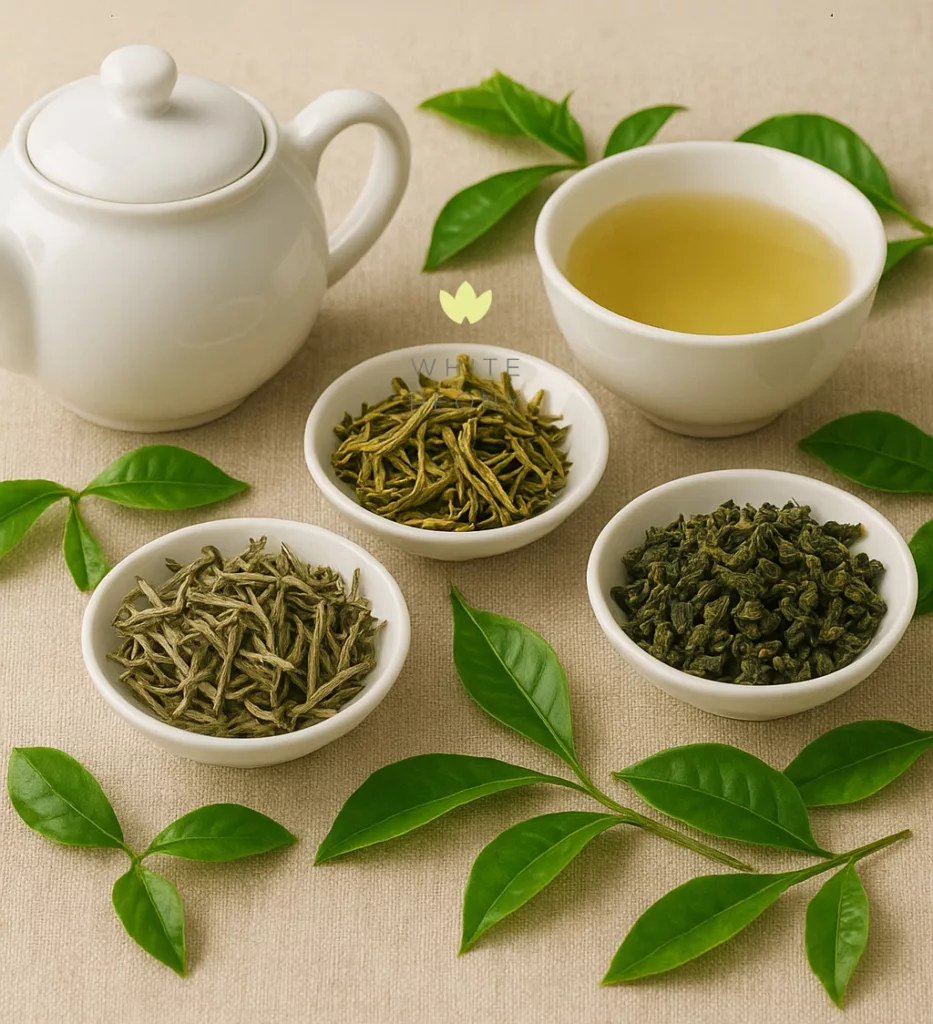
White, yellow, and green teas are all made from Camellia sinensis, but the grade of leaves determines the final quality.
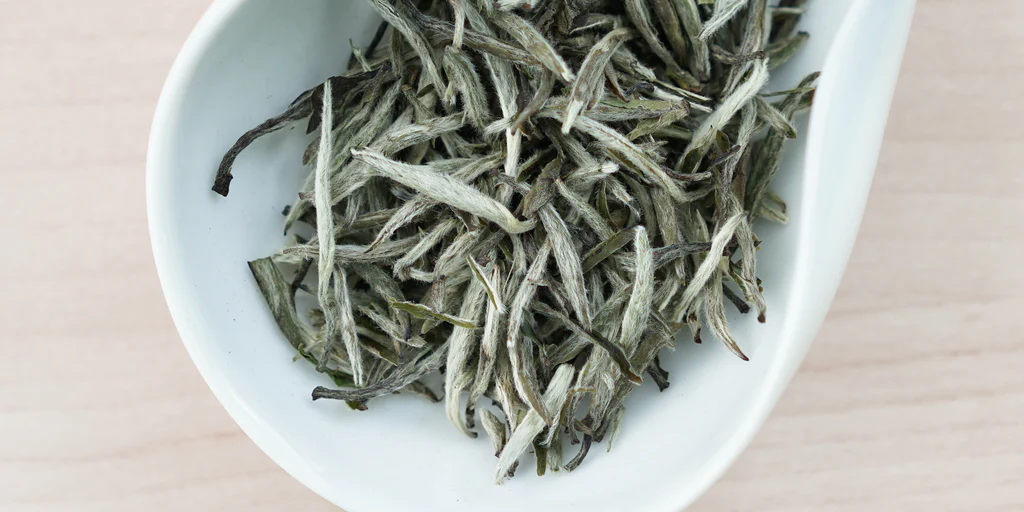
- White tea uses the youngest buds and first leaves, often covered with silver down.
- Yellow tea typically uses slightly more mature leaves but still of high tenderness.
- Green tea can be made from buds, young leaves, or even more developed leaves, giving a wide spectrum of quality levels.
Steps of Production
White Tea – The Most Minimal
- Withering — leaves lose moisture naturally in the shade or sunlight.
- Drying — gentle, low-temperature drying preserves enzymes without firing.
No killing-green, no rolling — only wither and dry.
Yellow Tea – The Rare “Men Huang” Process
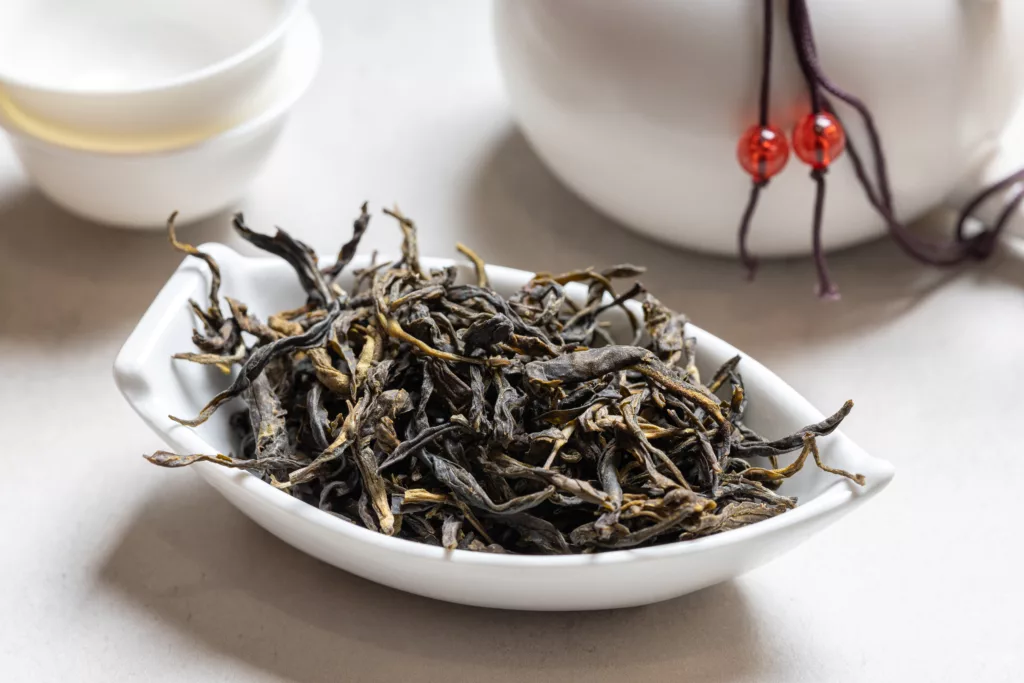
- Fixing (Kill-green) — like green tea, enzymes are halted through heating.
- Men Huang (Yellowing) — warm, humid wrapping in cloth or paper to create a slight fermentation.
- Drying — final low-temperature bake.
Green Tea – Freshness Captured
- Fixing — by steam (Japan) or pan-firing (China).
- Rolling — shapes the tea and releases aroma.
- Drying — stabilizes flavour and scent.
Aging Process
- White tea ages beautifully, developing honey, jujube, and herbal notes for up to 10–20 years.
- Yellow tea is best consumed fresh, though some varieties soften nicely after 1–2 years.
- Green tea is not meant for aging and should be enjoyed within 6–12 months for optimal freshness.
Taste
- White tea: soft, sweet, floral, with gentle melon or hay notes.
- Yellow tea: mellow, smooth, slightly creamy with low bitterness.
- Green tea: grassy, vegetal, nutty, or umami with lively freshness.
Health Effects
These teas are rich in antioxidants, vitamins, and catechins.
- White tea supports skin health, immunity, and gentle relaxation.
- Yellow tea improves digestion and is very low in astringency.
- Green tea aids metabolism, focus, and cardiovascular health due to high EGCG content.





 English
  Czech
Czech  German